ORR Road Hyderabad 2026 Update
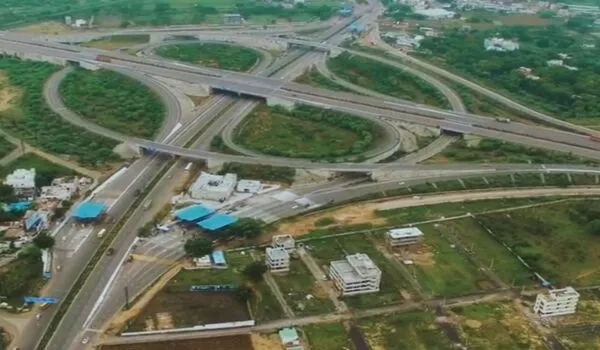
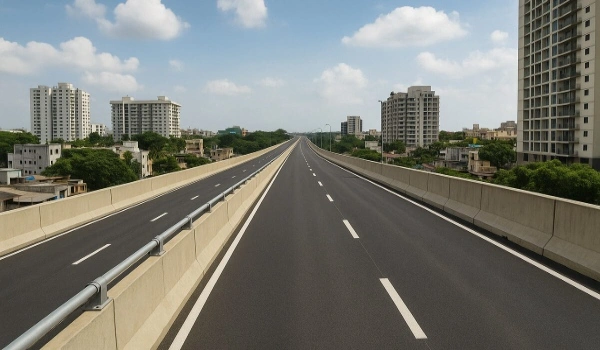
The ORR Road Hyderabad 2026 update covers the 158-km Nehru Outer Ring Road, an eight-lane access-controlled expressway around Hyderabad that connects the airport, Gachibowli, Kokapet, Patancheru, Medchal, Ghatkesar, Shamshabad and several major highways. The road has 19 operational toll interchange plazas, connects with 33 planned radial-road links towards the Inner Ring Road, and gives fast cross-city access without entering central Hyderabad. The maximum notified speed for cars on the ORR is up to 120 km/h, subject to posted signs and traffic rules.
The major 2026 ORR updates are about safety, tolling and new road connections. QR-code toll payments were introduced at all 19 ORR toll interchanges from 1 April 2026. HMDA started the process for a full road-safety audit in August, while the Telangana government ordered tighter monitoring of stopped vehicles, speeding and ORR maintenance. A ₹488 crore Budvel trumpet interchange is also planned to improve movement between Radial Road 2, the Gachibowli side of ORR and the Shamshabad airport corridor. On 25 August 2026, the tender deadline for the 161-km northern Regional Ring Road stretch was extended to 23 September.
Hyderabad ORR Quick Facts 2026
| ORR Detail | Current Information |
| Official Name | Nehru Outer Ring Road |
| Total Length | 158 km |
| Road Type | 8-lane access-controlled expressway |
| Current Toll Interchanges | 19–21 operational toll interchange plazas |
| Radial Road Links | 33 planned links between IRR and ORR |
| Current Operator | IRB Golconda Expressway Pvt. Ltd. |
| Operating Model | 30-year Toll-Operate-Transfer (TOT) concession |
| IRB Concession Start | 12 August 2023 |
| Upfront Concession Fee | ₹7,380 crore |
Maximum Car Speed Up to 120 km/h, subject to signs/rules
Main Payment Modes FASTag and QR/UPI-based digital payments The ORR was developed under Hyderabad Growth Corridor Limited, a joint venture linked to HMDA. IRB Infrastructure did not build the original road. IRB Golconda Expressway took over tolling, operation and maintenance under a 30-year TOT concession in August 2023 after paying ₹7,380 crore to HMDA.
Hyderabad ORR Route and Map
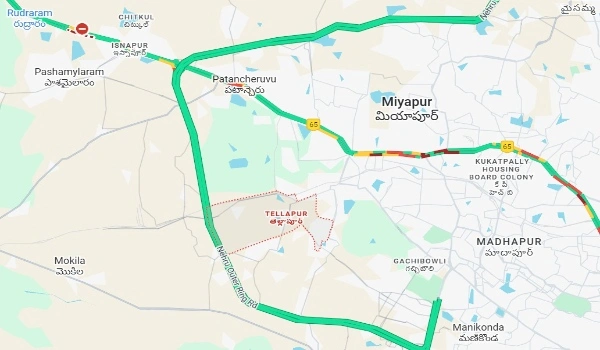
The Outer Ring Road forms a large loop around Hyderabad. HMDA's project map starts near Narsingi/Kokapet and runs through the western, northern, eastern and southern edges before returning towards Gachibowli. Major points on the route include Kokapet, Edulanagulapally, Patancheru, Sultanpur, Medchal, Shamirpet, Keesara, Ghatkesar, Pedda Amberpet, Bongulur, Tukkuguda, Shamshabad, Rajendranagar and Nanakramguda.
The ORR also connects important national highways such as NH-44, NH-65, NH-163 and NH-765. This makes it useful for airport travel, interstate traffic, freight movement and daily travel between outer Hyderabad employment and residential zones.
Hyderabad ORR Exits and Major Interchanges
People often search for the “19 ORR exits,” but the numbers can look different across HMDA maps because some planning documents count additional junctions or interchange structures. For toll and travel purposes, 19 operational toll interchange plazas were being managed in 2026.
Important ORR interchange locations include:
- Kokapet
- Nanakramguda
- Edulanagulapally
- Patancheru
- Sultanpur
- Saragudem
- Medchal
- Shamirpet
- Keesara
- Ghatkesar
- Taramatipet
- Pedda Amberpet
- Bongulur
- Raviryal
- Tukkuguda
- Pedda Golconda
- Shamshabad
- TG Police Academy / Rajendranagar side
- other connected ORR interchange ramps
Drivers should use the current HMDA signs and navigation map for the exact entry and exit because interchange numbering and local names can vary between maps.
ORR Hyderabad Toll Update 2026
One of the biggest ORR updates in 2026 was the move towards more digital toll collection. QR-code payments started at all 19 interchange toll plazas from 1 April. FASTag continues to provide automatic RFID-based toll payment, while QR/UPI gives another digital option. There is another important August update. The ORR operator sought toll increases for 2025 and 2026, but the Telangana government did not approve them. State officials linked the decision to concerns about road maintenance and safety. This means buyers and commuters should check the current official ORR toll matrix instead of assuming an annual toll hike has already taken effect.
ORR Hyderabad Speed Limit and Driving Rules
Driving rules are strictly enforced here, and pedestrians are not allowed to walk on the road. The maximum speed limit for cars on the main ORR carriageway was restored to 120 km/h. Heavy vehicles, buses and commercial traffic use lower-speed lanes, with 80 km/h commonly applied to those lanes. Drivers must still follow the speed shown on local signs because temporary restrictions can apply.
Road safety became a major issue again in 2026. Police pushed for better automated lane- discipline enforcement, while existing ANPR and traffic-management systems were already being used to detect offences such as speeding and wrong-side driving.
Latest ORR Hyderabad Updates – August 2026
The most useful ORR 2026 updates are these dated infrastructure and safety changes:
- 25 August 2026 – Regional Ring Road: The tender deadline for the 161-km Sangareddy–Choutuppal northern RRR section was extended to 23 September 2026. The RRR is a separate future ring road outside the existing ORR.
- 7 August 2026 – Toll hike held back: The Telangana government had not approved the ORR operator's proposed 2025 and 2026 toll increases, citing maintenance and safety concerns.
- 6 August 2026 – ORR maintenance review: The Chief Minister ordered stronger ORR monitoring, faster radial-road work and better control of vehicles stopping on the expressway.
- 1 August 2026 – Road safety audit: HGCL moved to appoint a consultant for a full 158-km ORR safety audit covering accident black spots, bridges, road markings, signs and crash barriers.
- 24 July 2026 – Accident prevention: The state ordered stronger accident-prevention measures and continuous monitoring of stopped vehicles on the ORR.
- 20 July 2026 – Green maintenance: HMDA announced new tree-trimming machinery and plans for a sprinkler system to maintain greenery along the ORR main carriageway.
- 23 May 2026 – Smart lane enforcement: Police proposed automated systems to detect unsafe lane changes and improve lane discipline on the expressway.
- 1 April 2026 – Digital toll payments: QR/UPI payments were introduced across the 19 toll interchange plazas in addition to FASTag.
New Roads and Interchanges Connecting Hyderabad ORR
Several current projects are designed to improve access to the ORR rather than widen the entire 158-km road.
Budvel Trumpet Interchange
A ₹488 crore trumpet interchange has been sanctioned at Budvel. It is planned to improve movement between Radial Road 2, the ORR towards Gachibowli and the ORR towards Shamshabad and Rajiv Gandhi International Airport. The DPR was completed and the project was at tender stage when announced.
Nanakramguda–Gachibowli ORR Widening
The state also approved widening and strengthening work on the left main carriageway between Nanakramguda and Gachibowli. This stretch is important because it carries traffic towards Financial District and the western IT corridor.
Radial Roads
HMDA uses radial roads to connect inner Hyderabad with the ORR and outer growth areas. There are 33 proposed radial links between the Inner Ring Road and the ORR. In August 2026, the government directed officials to speed up these works and target completion of Radial Road 1 from Kongara Kalan towards Future City by 9 December 2026.
ORR Hyderabad and Regional Ring Road – What is the Difference?
The existing ORR and the proposed Regional Ring Road are not the same project. Hyderabad ORR is the operational 158-km expressway around the existing metropolitan area. The proposed RRR will form a much larger outer loop around the expanding Hyderabad Metropolitan Region.
HMDA describes the planned RRR at roughly 354 km around the enlarged metropolitan region. The northern Sangareddy–Choutuppal section currently under the NHAI tender process is about 161 km. Future radial and connecting roads are expected to link the ORR, RRR and new growth centres.
Real Estate Growth Near ORR Hyderabad 2026 Update
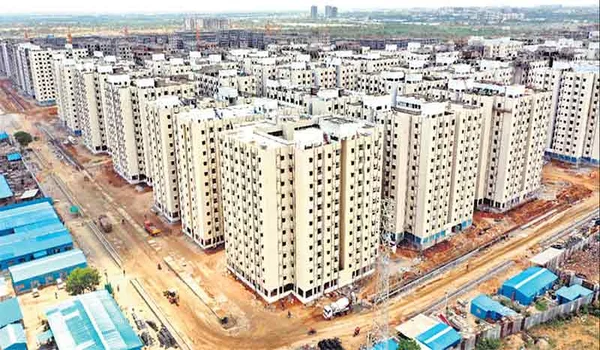
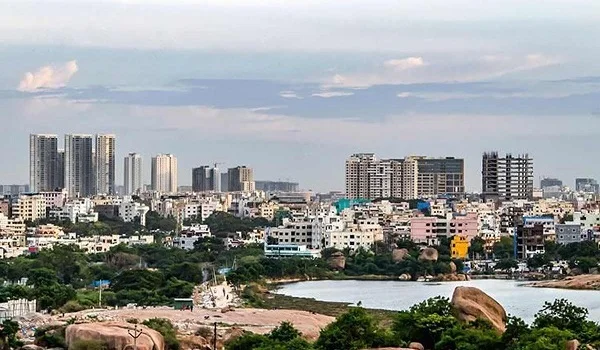
The road has boosted the growth of the outer areas of the main city. As travel is smoother and quicker, these are now popular with buyers. Many new commercial areas have grown near the corridor.
The strongest real estate growth is not uniform across all 158 km. West Hyderabad has seen the largest premium residential and office expansion around Gachibowli, Financial District, Kokapet, Narsingi, Tellapur and Kollur. Airport-side growth is visible around Shamshabad and Tukkuguda, while eastern and northern ORR sections support industrial, logistics and more affordable housing markets.
Telangana RERA's 2025–26 market review also describes the ORR corridor as a structural backbone for suburban expansion and identifies western Hyderabad as the state's main property-growth corridor.
ORR Exit 2 and Prestige Golden Grove
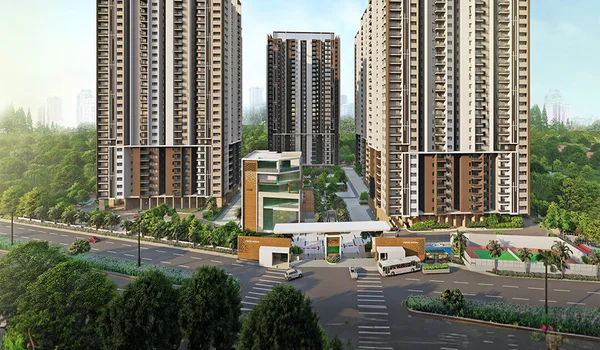
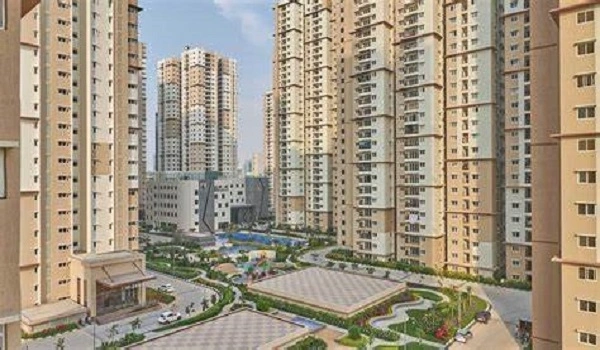
One residential project directly linked to this ORR growth story is Prestige Golden Grove. The project is not in Kollur itself. It is in Velimela, near Tellapur and Kollur, around 1.5 km from ORR Exit 2 in West Hyderabad.
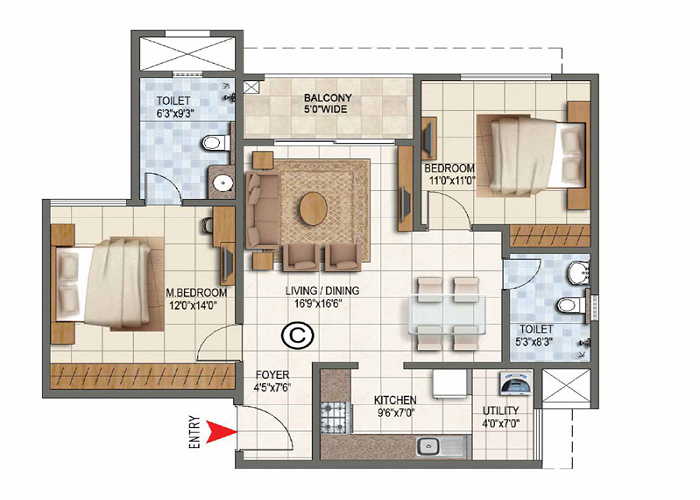
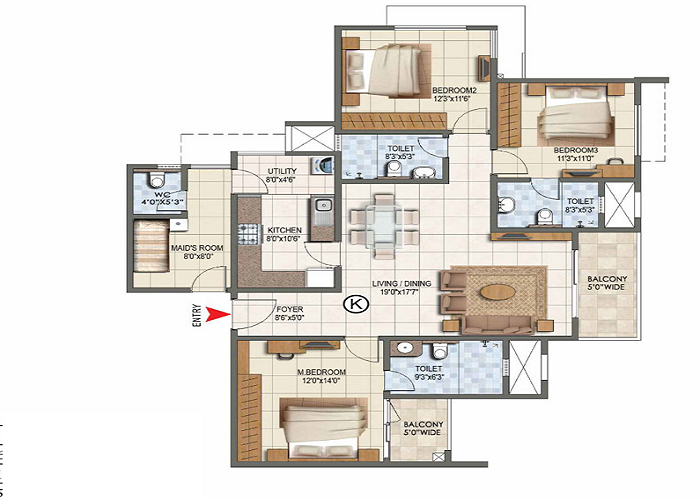
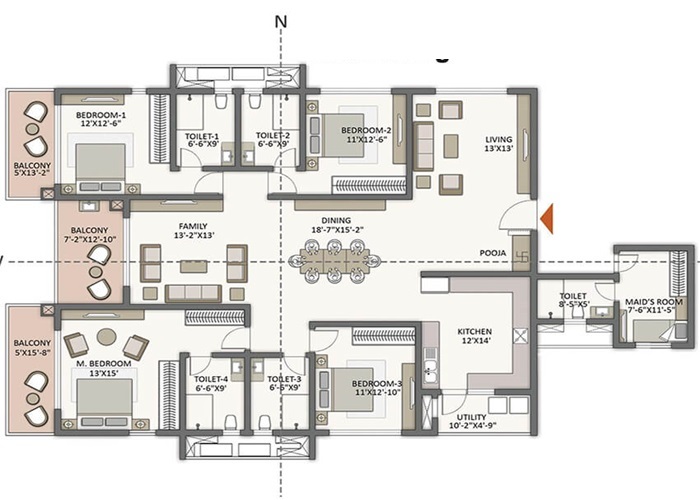
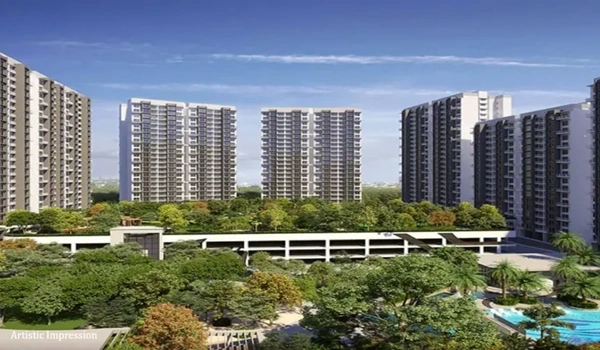
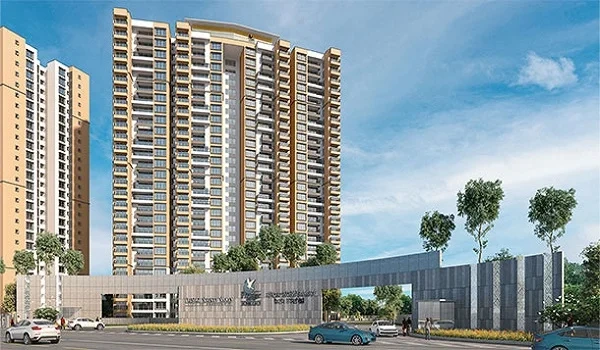
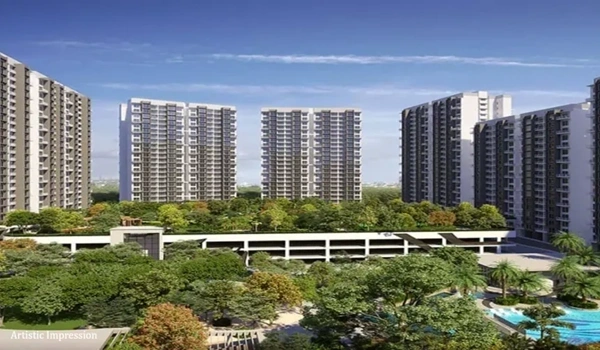
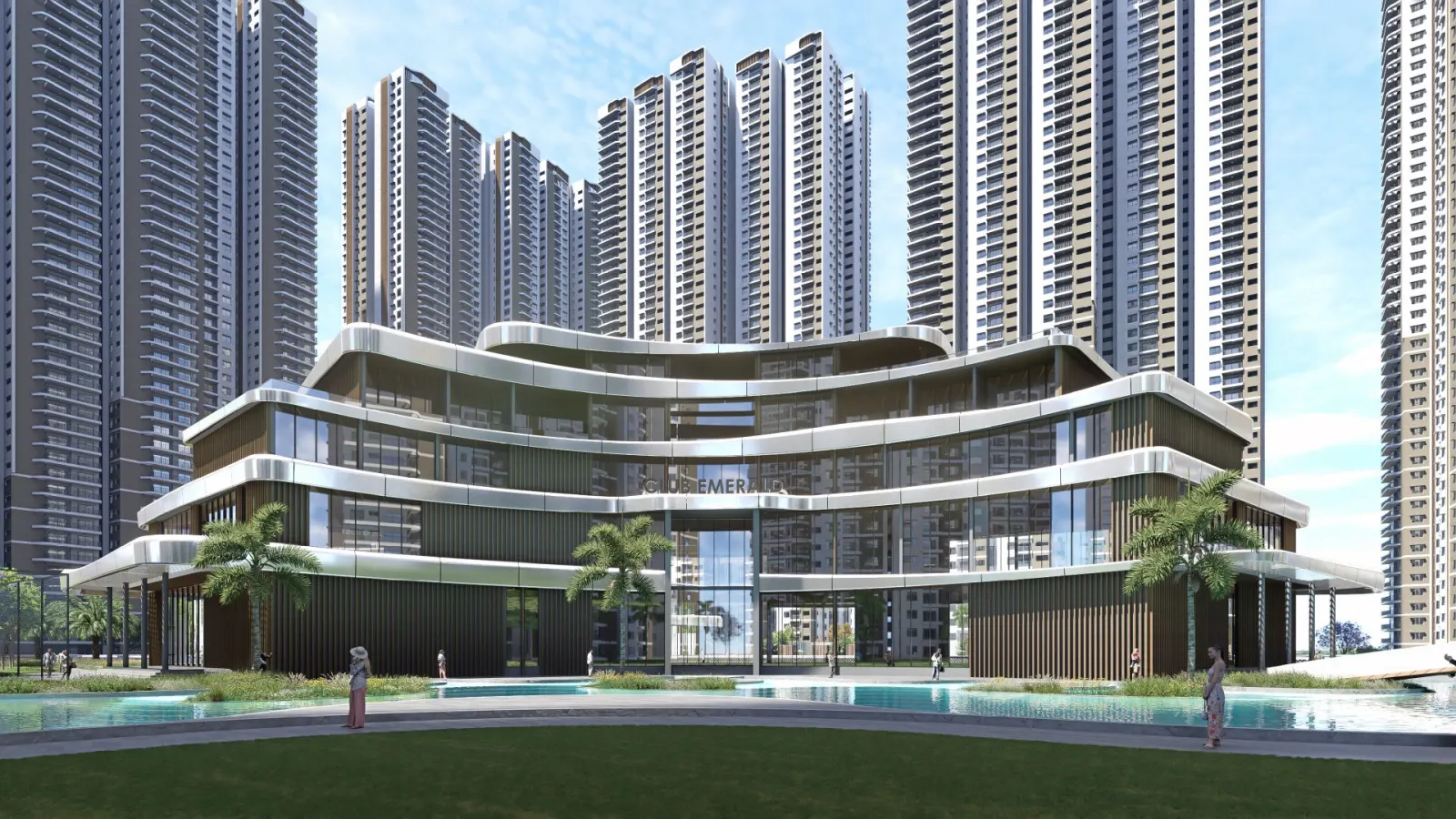
Prestige Golden Grove is spread over 28.7 acres and has 10 high-rise towers with around 5,120 apartments. It offers 2, 3 and 4 BHK apartments ranging from 1,169 sq. ft. to 3,013 sq. ft. The project was launched on 09 April 2026 and is registered under Telangana RERA No. P01100010708.
ORR access is one of the main reasons this location matters. Exit 2 connects the Tellapur–Kollur–Velimela residential belt with Kokapet, Financial District, Gachibowli and the airport-side ORR corridor without requiring a drive through central Hyderabad.
Why ORR Access Matters for Prestige Golden Grove Buyers
For Golden Grove buyers, the useful number is not the full 158-km ORR length. It is the project's roughly 1.5 km access to Exit 2. This short connection gives residents a direct route towards West Hyderabad's main job belt.
The trade-off is also clear. Velimela is still an emerging residential location and does not have the same mature shops, hospitals, Metro access and office density as Gachibowli or Kokapet. Buyers are choosing the outer belt mainly for larger township projects and lower entry costs while depending on ORR for work travel.
Importance of the Outer Ring Road for the City
- Faster Commute: The ring road connects distant outer parts of Hyderabad without forcing vehicles through the city centre.
- Economic Activity: The ORR supports major employment and business zones such as Gachibowli, Financial District, Kokapet and the airport corridor.
- Traffic Distribution: The road carries cross-city and through traffic around Hyderabad, helping reduce pressure on inner urban roads.
- Airport Access: The ORR gives direct high-speed road access to Rajiv Gandhi International Airport from several western and northern locations.
- Real Estate Growth: Large residential, office, logistics and mixed-use developments have expanded along major ORR interchanges.
Frequently Asked Questions
1.What is the ORR in Hyderabad?
The Outer Ring Road is an eight-lane access-controlled expressway around Hyderabad. It is officially called the Nehru Outer Ring Road.
2.How long is Hyderabad ORR?
The Hyderabad Outer Ring Road is about 158 km long.
3.How many toll plazas are on Hyderabad ORR?
There are 19 operational toll interchange plazas in the current toll network.
4.What is the speed limit on Hyderabad ORR?
Cars can travel at up to 120 km/h on permitted ORR lanes, subject to posted road signs and traffic restrictions. Heavy and commercial vehicles have lower limits.
5.Who developed Hyderabad ORR?
The ORR was developed through Hyderabad Growth Corridor Limited/HMDA. IRB did not originally build the road. IRB Golconda Expressway currently handles tolling, operation and maintenance under a 30-year TOT concession that began in August 2023.
6.Can toll be paid by UPI on Hyderabad ORR?
Yes. QR-code/UPI toll payment was introduced at all 19 interchange plazas from 1 April 2026, while FASTag remains available.
7.Is Hyderabad ORR and RRR the same?
No. ORR is the existing 158-km operational road around Hyderabad. RRR is a much larger proposed ring road outside the present ORR.
8.Which ORR exit is near Prestige Golden Grove?
Prestige Golden Grove in Velimela is around 1.5 km from ORR Exit 2 near the Tellapur–Kollur corridor.
9.What is the latest ORR Hyderabad update in August 2026?
Major August updates include a new ORR safety-audit process, tighter government monitoring of maintenance and stopped vehicles, no approval for the proposed 2026 toll hike, faster radial-road work and continued progress on ORR-linked interchange projects.
Prestige Golden Grove Blog